Jointly reported by:
Ms. Jeeva & Ms. Farah
English Department
Photography by:
Team Building Programme Members
Kuen Cheng Teacher Professional Development Series
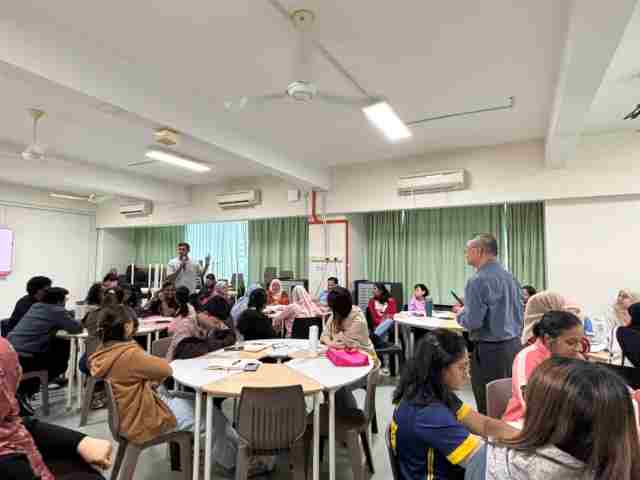
On 4 July 2026, teachers from Kuen Cheng High School participated in a professional development workshop titled Teacher Matters for Teachers Who Matter, conducted by Dato’ Dr. Lee Boon Hua, Deputy Dean of Faculty of Education, Universiti Tunku Abdul Rahman (UTAR). The workshop aimed to equip teachers with practical strategies to strengthen their classroom presence, understand and shape classroom dynamics, adapt teaching approaches to optimise student learning, and identify ways to prevent teacher burnout. The second part of the workshop is expected to be continued in the month of August.
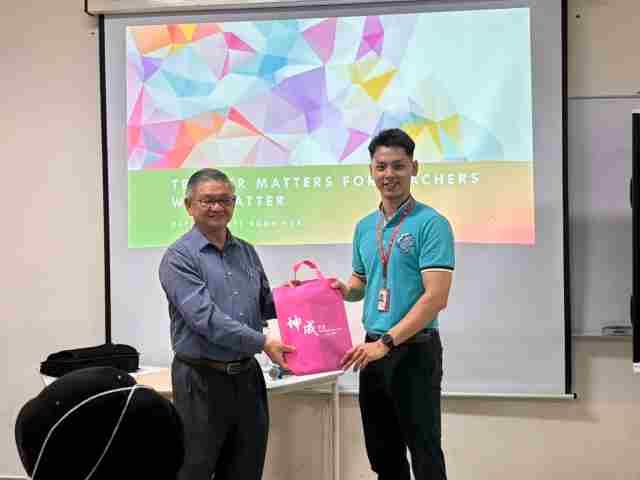
(Photo 1: Mr Tan Hur Thong, Assistant Admin Head of the Academic Department, welcoming and thanking Dato’ Dr. Lee Boon Hua, on behalf of the management)
The workshop began with an engaging discussion on the importance of establishing clear classroom ground rules and expectations. Dato’ Dr. Lee emphasised that openly communicating expectations from the outset forms the foundation of a healthy teacher-student relationship, creating an environment built on mutual respect, trust and responsibility. He also encouraged teachers to continuously reflect on their professional practice by asking themselves whether the educational theories learnt at university truly apply in real classroom situations. Such reflection, he explained, is essential for continuous improvement and professional growth.
Drawing on his extensive teaching experience from 1978 to the present day, Dato’ Dr. Lee shared the many challenges he has encountered throughout his career and how he has continually adapted to changes in education, particularly with the rapid emergence of technology. He reminded participants that learning is a lifelong journey, leaving teachers with the memorable quote, “I was once a learner and will always be a learner.” He further stressed that teaching is a two-way process in which both teachers and students learn from one another. To remain effective educators, teachers must strive to stay relevant despite the ever-changing educational landscape.
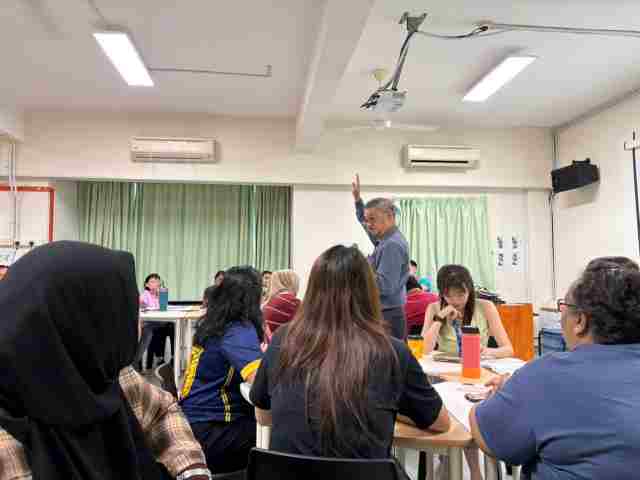
(Photo 2: Dato’ Dr. Lee shares his inspiring educational journey and heartfelt thoughts)
One of the interactive segments of the workshop invited participants to describe teaching through metaphors. Teachers shared thoughtful analogies that reflected their educational philosophies. One participant likened teaching to making pottery, explaining that students are like clay, each unique and requiring patience, care, as well as guidance to reach their full potential. Another compared teaching to a sakura tree, where the teacher serves as the sturdy tree that nurtures and supports students, allowing them to blossom like sakura flowers.