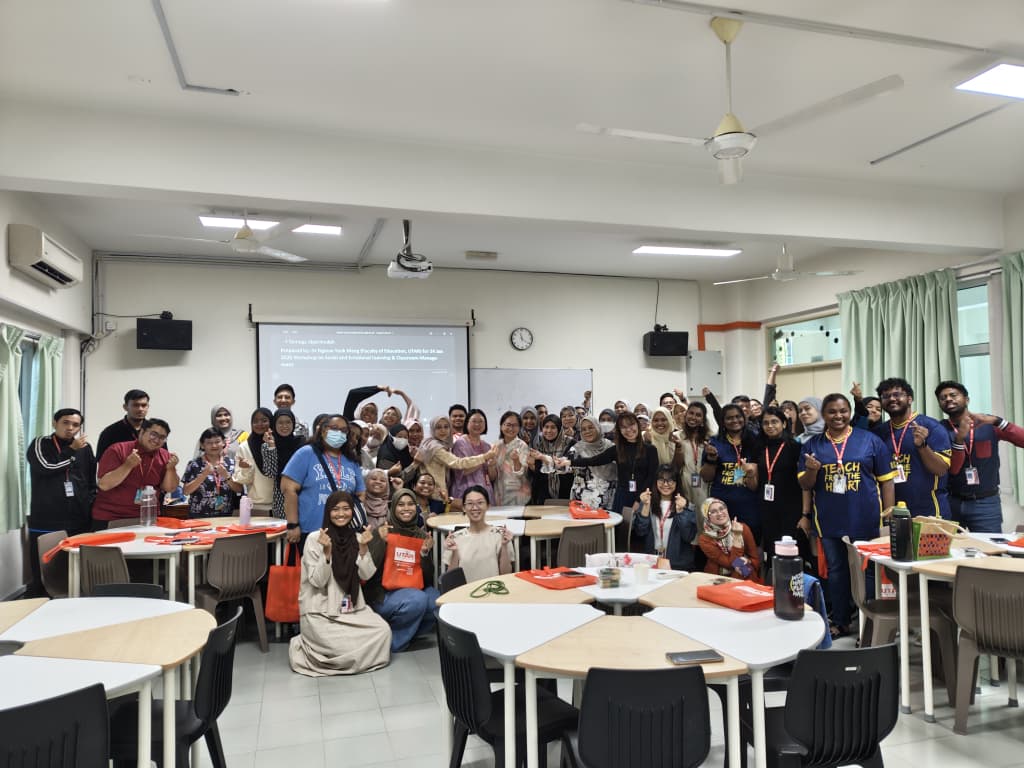
Jointly reported by:
English Department
Farah Diyana binti Wan Iskandar Shah
Jeevalata A/P Santhera Segaran
On the 24th of January 2026, Kuen Cheng High School organised a talk about Social-Emotional Learning (SEL) in Curriculum and Classroom Management, which is a programme series for Teachers Professional Development. Dr. Ngeow Yeok Meng, from the Faculty of Education of Universiti Tunku Abdul Rahman (UTAR) has been invited to give the talk. Non-Chinese speaking teachers from the English Department, Bahasa Melayu Department, Sejarah Department and Pendidikan Moral Department actively participated and enriched our discussions with their valuable teaching experiences.
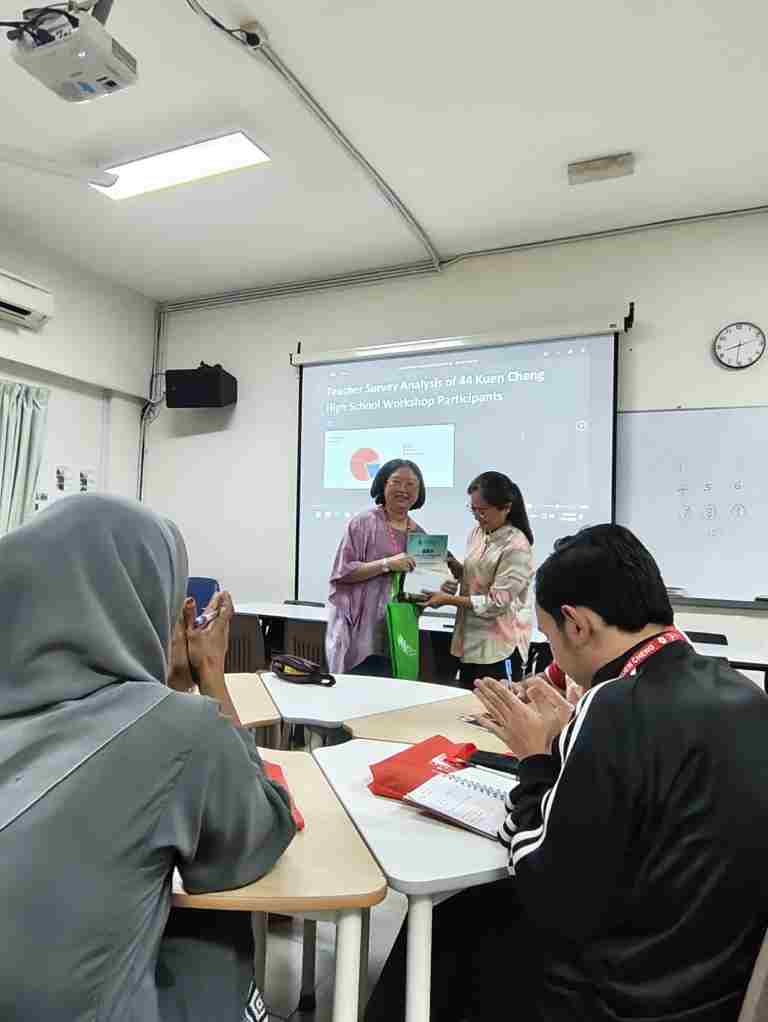
(Photo 1: Madam Loh Hoi Yuen, Admin Head of the Academic Department presenting a token of appreciation, on behalf of Kuen Cheng High School, to Dr. Ngeow Yeok Meng from UTAR)
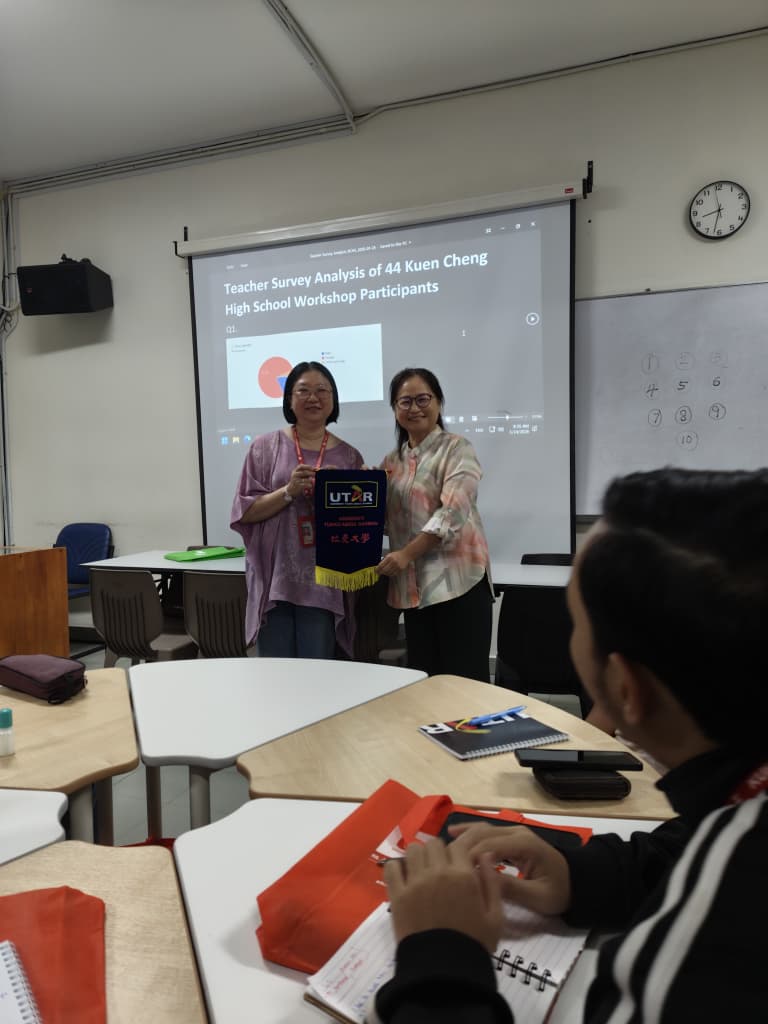
(Photo 2: Dr. Ngeow thanking Kuen Cheng High School for the invitation)
Dr. Ngeow’s presentation was divided into two sections. The first part focused on the survey that was distributed prior to the talk, which examined educators’ perspectives on the implementation of Social Emotional Learning (SEL) in the classroom. Several key points that were highlighted include:
1.Who is responsible for students’ social and emotional well-being?
2.How Social Emotional Learning (SEL) can help prevent harmful behaviours?
3.Helping educators realise that students depend on them.
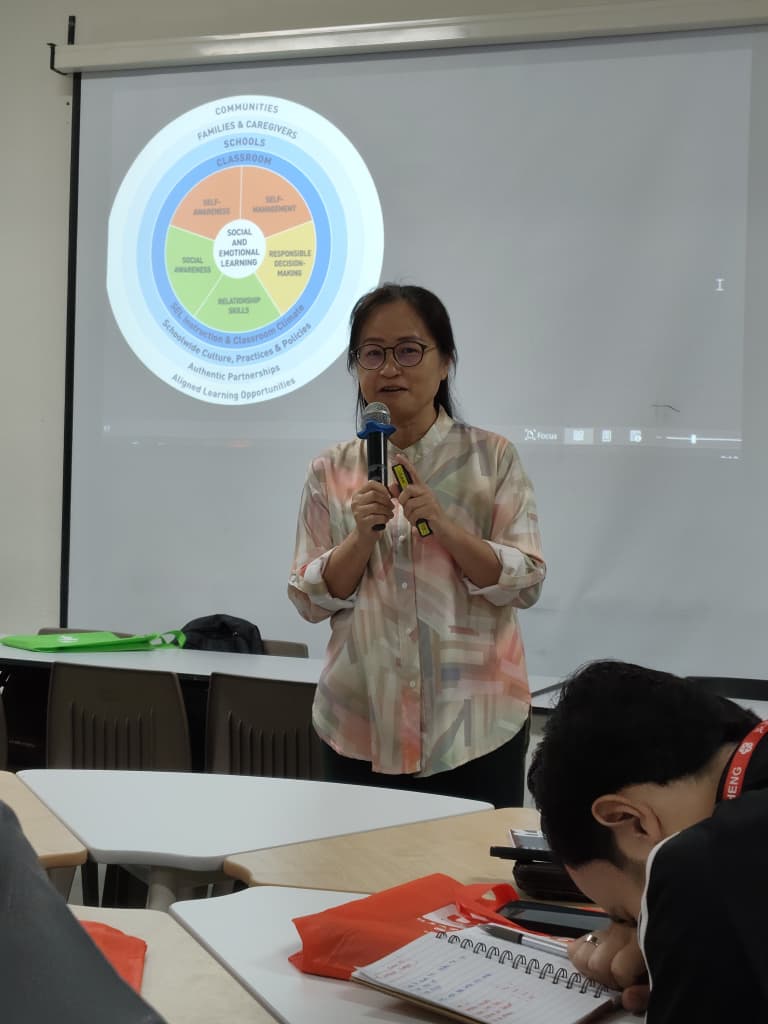
(Photo 3: Dr. Ngeow explaining the SEL framework)
After the discussion, Dr. Ngeow gave a brief explanation on each SEL competency. The main components are Self-Awareness, Self-Management, Social Awareness, Relationship Skills, and Responsible Decision-making. Dr. Ngeow emphasised on finding a balance between work and personal life. Dr. Ngeow emphasized the necessity of maintaining a healthy work-life balance. She urged us to prioritize our well-being before addressing our students’ needs. Using the metaphor of an oxygen mask, she reminded us that self-care is crucial for effectively helping others.
Dr. Ngeow positively shared that the more we do for the students, the better we become. She also gave us advice on how to promote SEL in class which involves cultivating a safe, supportive environment where students are able to develop the five main components of SEL. She reiterated how the school is responsible in implementing SEL as the school is able to systematically integrate SEL into the curriculum, culture and daily routines to ensure an environment that boosts academic success, mental health and equity is established.
After a short break, the session continued to the second part where Dr. Ngeow assigned questions regarding SEL to the teachers who were already seated in groups. The questions include how to understand student’s feelings, how to address destructive behaviours in class, how to ensure students enjoy learning, how to implement class rules, and many more. The teachers were given around 15 minutes to discuss their answers, and they had to individually share their own experiences.
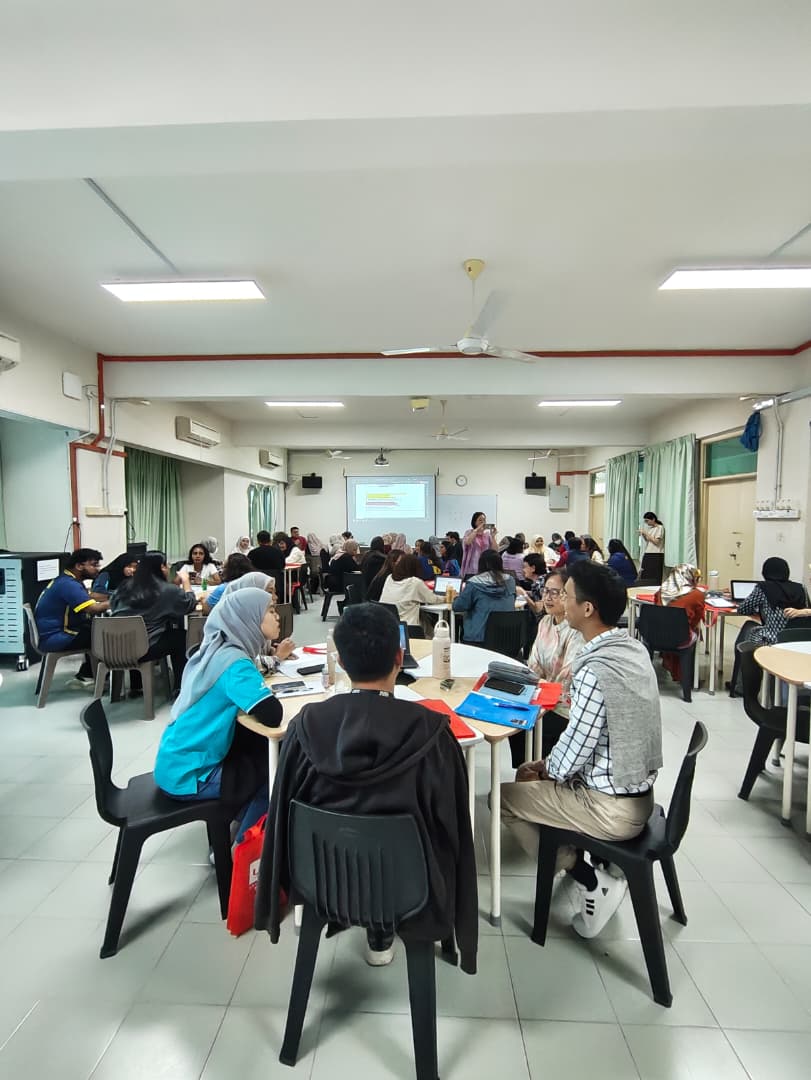
(Photo 4: Teachers discussing in groups)
During the sharing session, the teachers shared their answers and experiences relating to their questions. Some teachers reflected on their past mistakes and shared how they have changed their ways since then. Other teachers were also able to relate to each other as they share similar challenges. Overall, the sharing session was successful and meaningful.
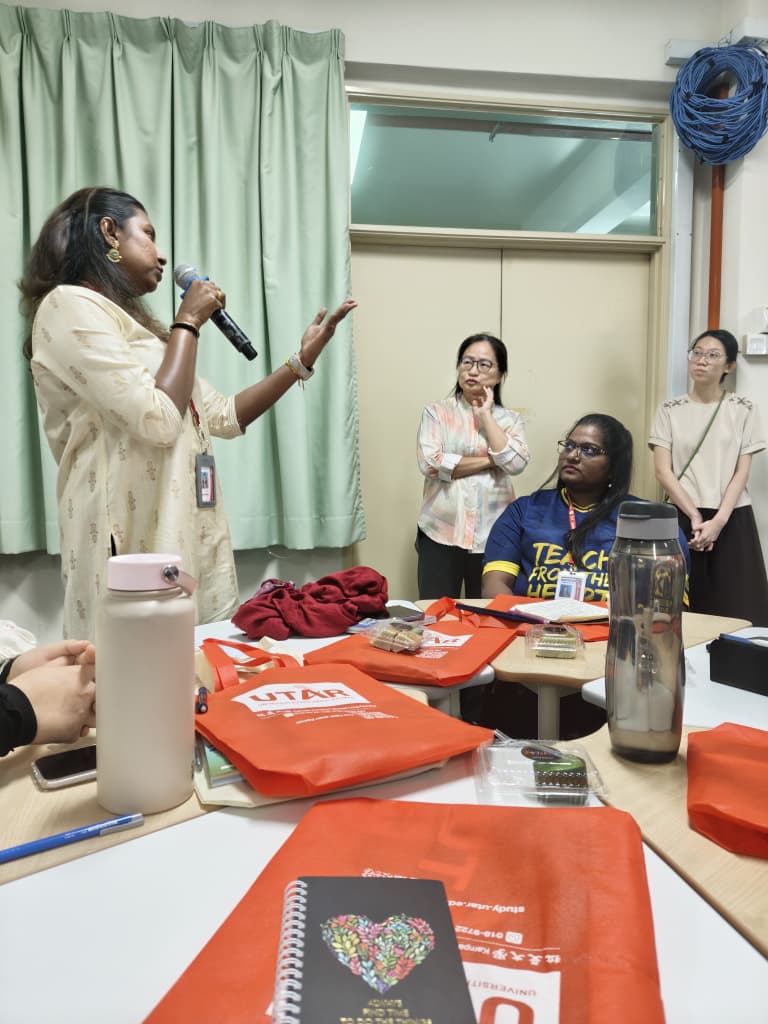
(Photo 5: Ms. Jaya, from the English Department, happily sharing her teaching experiences)
To conclude the day, Dr. Ngeow expressed her gratitude and reiterated that while this workshop provided a solid foundation for SEL to truly be effective, it cannot be treated as a one-time event. She expressed her wish that future efforts should focus on creating a systematic, school-wide approach to SEL. In summary, the SEL workshop was a vital step toward equipping the teachers with the necessary tools to manage their own well-being and, in turn, cultivate more resilient, engaged and successful students.