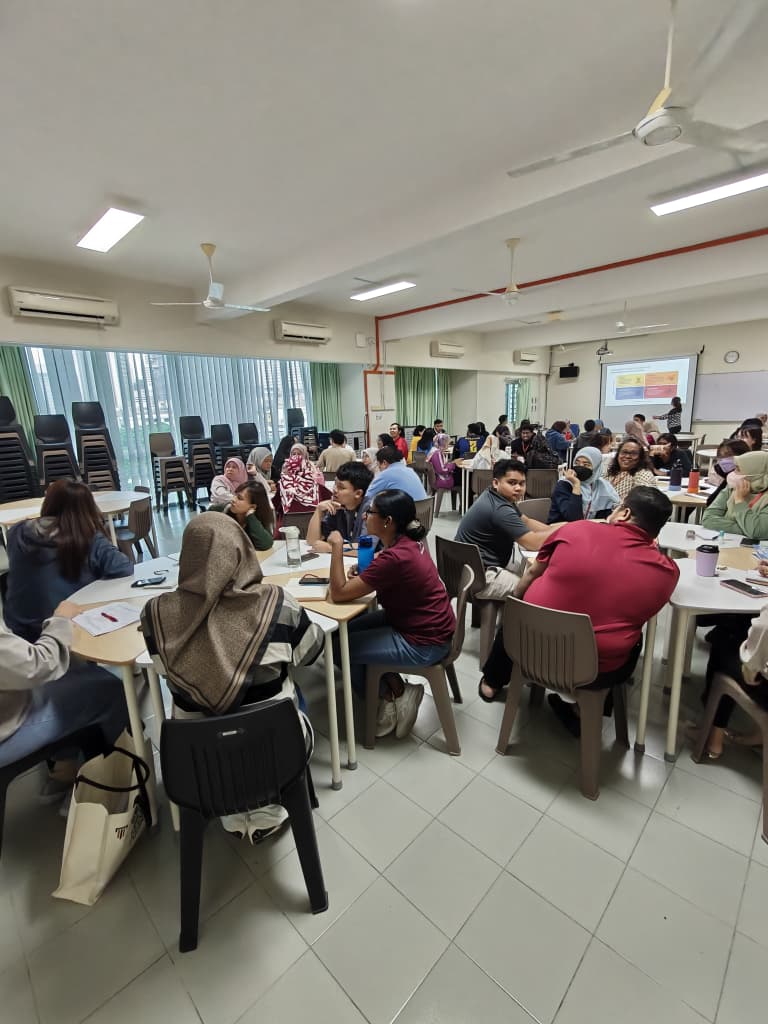
A Visual Guide for Educators to Recognize Distress, Build Resilience, and Foster A Visual Guide for Educators to Recognize Distress, Build Resilience, and Foster Supportive Classrooms
Jointly reported by:
Ms. Malar & Ms. Jayanthi
English Department
Photography by:
Team Building Programme Members
Teachers’ development is crucial because it directly improves classroom quality and student outcomes. Kuen Cheng High School conducted a professional development workshop for its non-Chinese speaking teachers titled “Beyond the Surface: Identifying & Supporting Student Mental Wellbeing” on 9 May 2026. The session was led by Dr Ngeow Yeok Meng from the Faculty of Education, Universiti Tunku Abdul Rahman (UTAR), and aimed to strengthen teachers’ understanding of student emotional health while enhancing classroom support strategies.
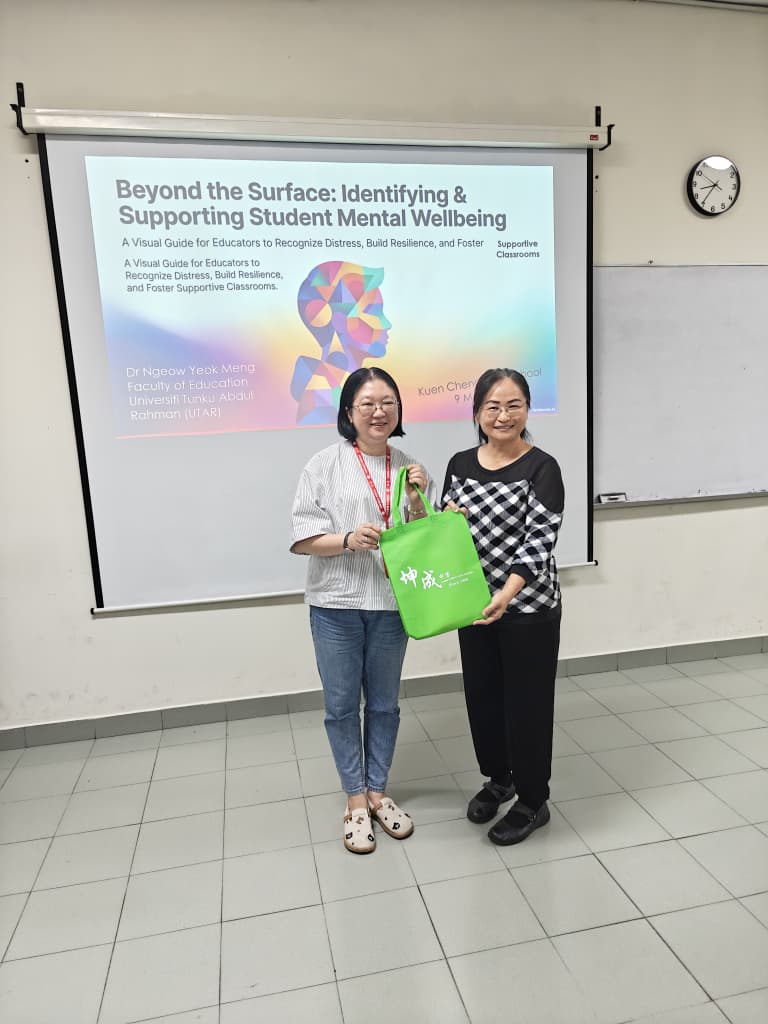
(Photo 1: Madam Loh Hoi Yuen, Admin Head of the Academic Department, welcoming Dr Ngeow Yeok Meng, at the beginning of the workshop)
Dr Ngeow provided educators with practical tools to recognise signs of student distress and respond appropriately in school settings. Participants were guided through four structured modules that addressed key areas of student wellbeing and classroom management.
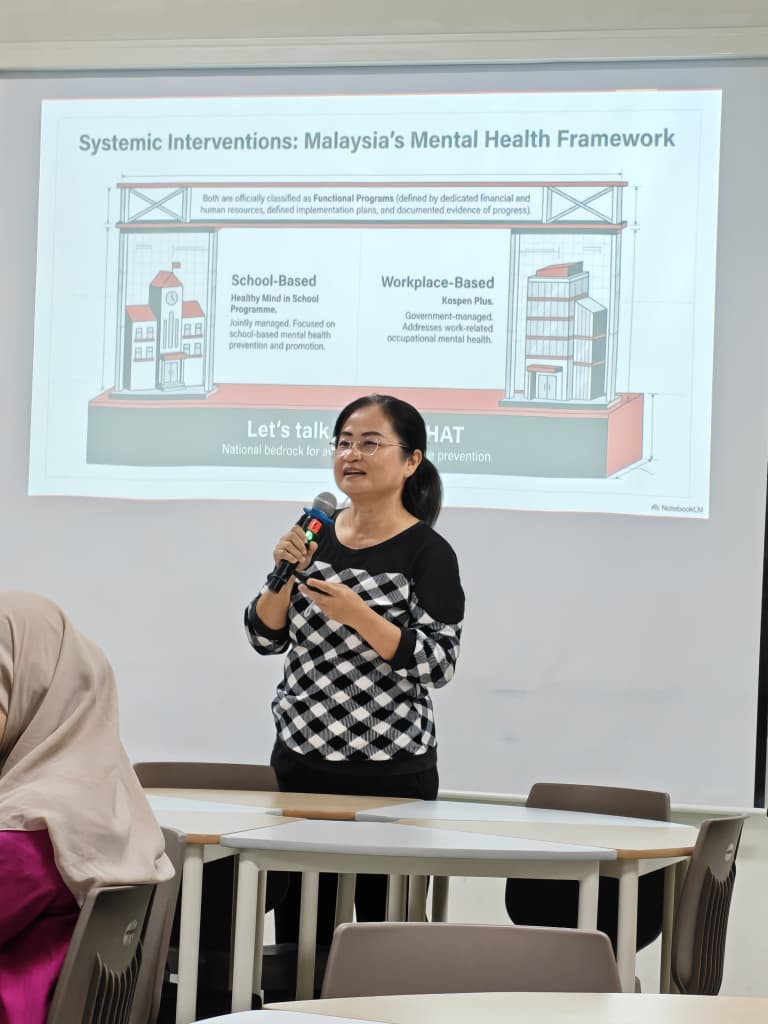
(Photo 2: Dr Ngeow empowering educators with practical, ready-to-use tools)
The first module focused on identifying common emotional states among students, such as stress, anxiety, withdrawal, and aggression. Teachers were also trained to differentiate between emotional issues and behavioural problems using a structured assessment framework. The second module introduced basic intervention strategies, emphasising safe communication principles, immediate response steps, and referral procedures for high-risk cases.
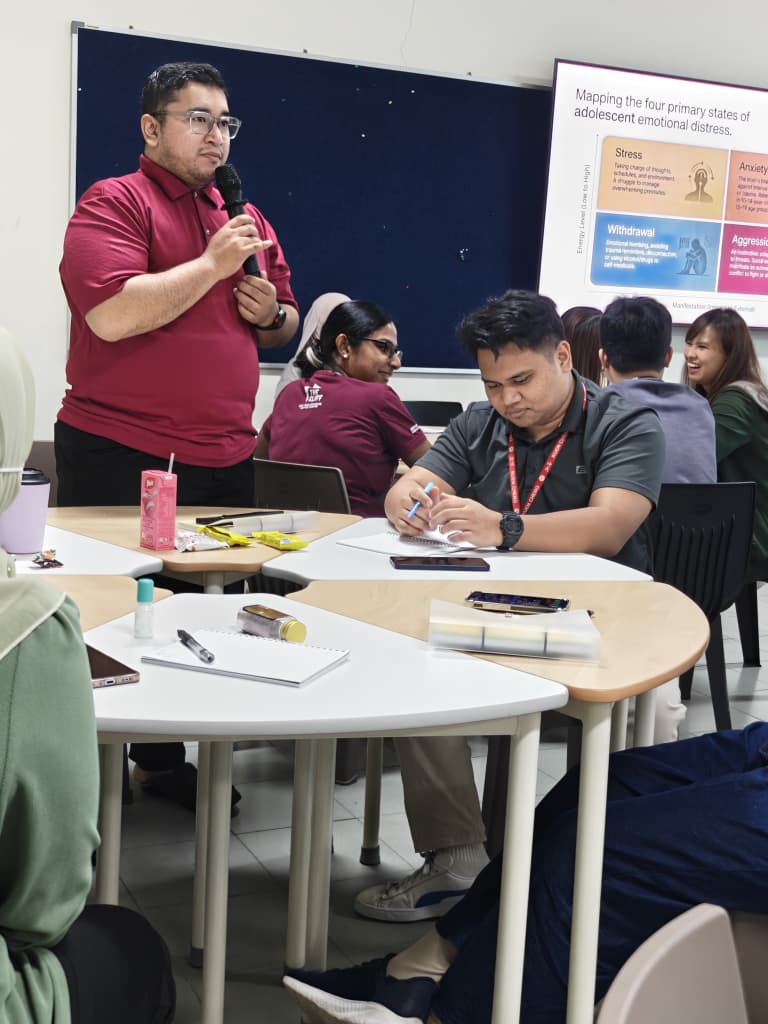
(Photo 3: A positive exchange of views from participants for the wellbeing of our students)
Up next in the third module, Dr Ngeow highlighted conflict identification and management, outlining the typical stages of student conflict development. Teachers were introduced to the STOP & TALK model, a structured approach designed to support de-escalation and encourage constructive dialogue. The final module focused on conflict prevention in collaborative learning environments, with attention given to common triggers during group work and effective teacher facilitation techniques to promote teamwork.